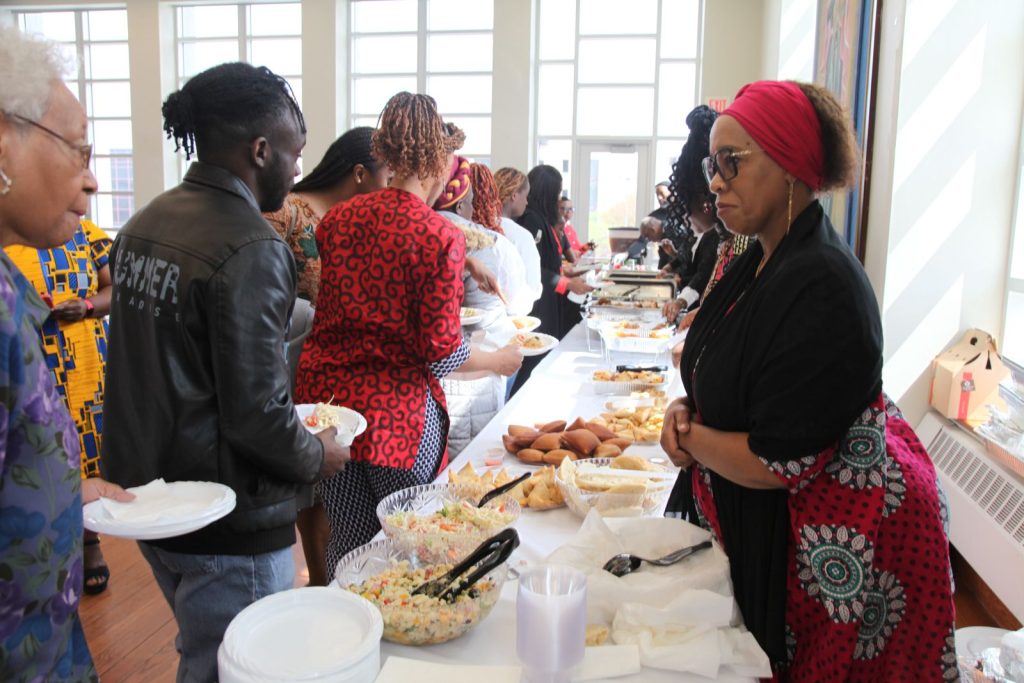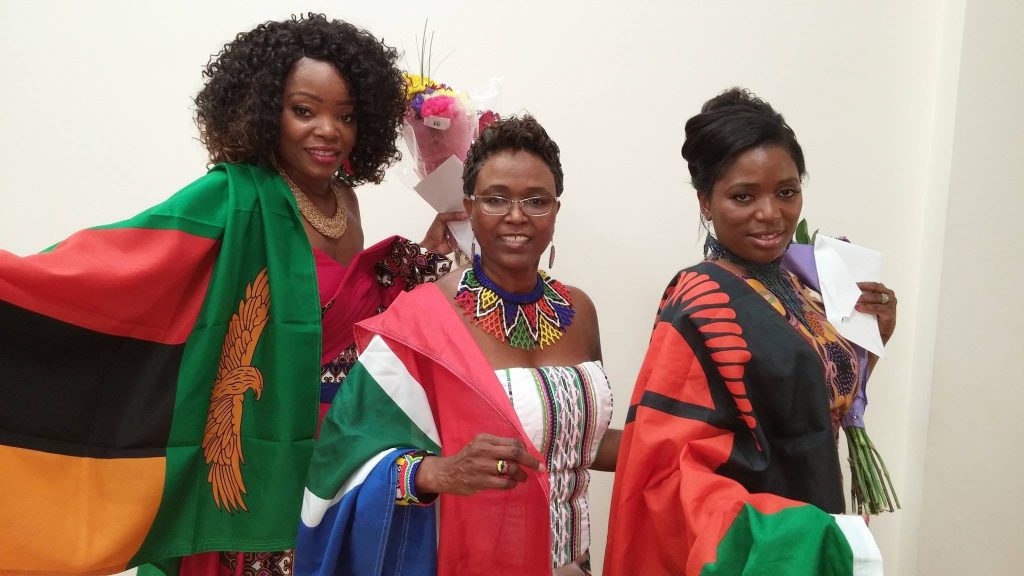
Few African concepts have gained as much global recognition as ubuntu. Although it is often summarized simply as I am because we are, ubuntu expresses the idea that our humanity is shaped through our relationships with others. It emphasizes interconnectedness, dignity, responsibility, and the understanding that individuals are part of wider communities. A well-known expression of ubuntu is the phrase, “Umuntu ngumuntu ngabantu” (“A person is a person through other people.”). The Ngoni/Nguni phrase suggests something deeper than simply being kind or community-minded. It reflects an understanding of personhood itself: we become who we are through our relationships with families, communities, neighbors, and wider society. It also reflects the spirit that drives SACU to do the work that it does in the community. Our commitment to Ubuntu guides everything we do, and we honor it as a shared Southern African value—one that belongs to many cultures, languages, and communities across the region.
Ubuntu Has Many Names
Although ubuntu is now the internationally recognized term, it does not represent a single, uniform Southern African philosophy. Southern Africa is linguistically and culturally diverse, and related ideas about humanity and personhood appear under different names and traditions throughout the region. Ubuntu is particularly associated with Nguni languages such as isiZulu and isiXhosa. In Sesotho and Setswana, the related concept is commonly expressed as botho. Among Shona-speaking communities, hunhu or unhu conveys ideas about humanity, character, and relationships with others. In Malawi and parts of Zambia, umunthu similarly refers to humanity, dignity, character, and socially responsible behavior.
These concepts share linguistic and philosophical connections, but they are not necessarily interchangeable. Each developed within its own cultural and historical context. Rather than treating ubuntu as one universal “African philosophy,” it is more useful to see it as part of a broader family of related Southern African understandings of humanity, community, and personhood. This is the same with diversity within the Southern African Community where many parts of our cultures overlap or are shared but were borne out of distinct histories and experiences in each of our nations.
More Than “I Am Because We Are”
Ubuntu gained greater international recognition through South Africa’s transition from apartheid, particularly through figures such as Nelson Mandela and Archbishop Desmond Tutu, who connected it with reconciliation, dignity, and restorative justice. This history helps explain why ubuntu is often associated primarily with South Africa, even though related traditions extend across the region. However, it is a concept and philosophy that is understood by the entire region.
Today, the philosophy of ubuntu has traveled far beyond the Southern African region and is resonating with many different peoples. Appearing in conversations about leadership, education, social justice, peacebuilding, and community development, this philosophy is one of the regions greatest intellectual contributions to global philosophy. Yet reducing it to an inspirational slogan does risk losing its deeper meaning. Ubuntu asks more of us than to believe that community is important. It asks us to consider how our lives depend upon others, what responsibilities accompany that interdependence, and whether recognizing our own humanity requires recognizing the dignity and humanity of other people.
Whether people in our region identify it as Ubuntu, Botho, Umunthu, or Hunhu based on their unique traditions, it offers us a shared insight: our humanity does not exist in isolation. It is about our identity and sense of self — we become human through our relationships with others. In recognizing this traditional concept, SACU affirms that our lives gain meaning through the care, connection, and responsibility we extend to one another.