Our Countries
Our Continental Roots…
Southern Africa is a region defined by remarkable diversity, resilience, and cultural richness. Stretching from the savannas of Botswana and the deserts of Namibia to the vibrant cities of South Africa and the lush highlands of Malawi, it is home to a tapestry of languages, traditions, and histories that continue to shape the continent’s social and political landscape. The region’s ancient ingenuity shines through landmarks like Great Zimbabwe, a monumental stone city that once anchored a thriving trading empire. Southern Africa also extends into the Indian Ocean through islands such as Madagascar, Mauritius, and Seychelles, each contributing unique ecological wonders and cultural blends. Its vibrant music and dance traditions—from the rhythmic beats of marimba and mbira to energetic dances like kwaito, gule wamkulu, and tswana—express the spirit, creativity, and communal identity of its people. Together, these landscapes, cultures, and artistic expressions form a dynamic blend of heritage and innovation, making Southern Africa not only a geographic space but a thriving community with a powerful global presence.
This is why Southern Africa has a way of standing out even within the broader African context — its uniqueness comes from a blend of geography, culture, history, and innovation that you don’t find anywhere else on the continent.
What Makes Southern Africa Unique?
Extraordinary Ecological Diversity
outhern Africa’s landscapes range from the world’s oldest desert, Namibia’s Namib Desert, to the lush Okavango Delta (Botswana), the towering Drakensberg Mountains (South Africa), the sun‑soaked beaches along the oceans and in the islands, Lake Malawi’s crystal waters (Malawi), and vast savannas that feel like multiple worlds in one. There are few regions in Africa where you can find desert heat and snow‑capped mountains in the same place!
Deep Cultural Richness and Linguistic Variety
The region is home to well over 100 ethnic groups — South Africa alone has more than 50. Other countries across Southern Africa are equally diverse, with many ethnic communities living across multiple borders due to shared histories, migrations, and cultural ties. The region is also rich in linguistic diversity, with hundreds of languages spoken, including widely recognized languages such as Swahili and Zulu, as well as the unique click‑based Khoisan languages, some of the oldest in the world. ts music, dance, and oral storytelling traditions continue to influence global culture. Southern Africa is the region that introduced the world to trends like Jerusalema, internationally celebrated Shona stone sculptures, Amapiano and Gqom music, and powerful philosophies such as Ubuntu — “I am because we are.“
Ancient Civilizations and Modern History
Southern Africa bridges past and present. Great Zimbabwe’s monumental stone ruins, along with the kingdoms of Mapungubwe and Mutapa, reflect centuries of advanced societies and thriving trade networks. The region is also central to human origins: South Africa’s Cradle of Humankind, where some of the oldest known human fossils were discovered, highlights Southern Africa’s role in the story of early humanity. In modern times, Southern Africa has continued to shape global conversations on justice and liberation — and it remains a leader in scientific innovation. The world’s first successful heart transplant was performed in Cape Town, and the region continues to produce cutting‑edge medical research, including the early detection and genomic identification of the Omicron variant in Botswana and South Africa during the COVID‑19 pandemic.
Wildlife and Conservation Leadership
Elephants, lions, rhinos, and countless other species thrive here, supported by world‑leading conservation efforts. Botswana and Namibia are pioneers in community‑based conservation models that inspire global environmental policy.
Cultural Fusion Through Migration and Trade
For thousands of years, communities moved through the Southern African region — from Bantu‑speaking groups spreading southward, to pastoralist Khoisan communities, to later movements shaped by trade, empire, and colonial borders. These migrations created shared ethnic groups across multiple countries, intertwined languages, and cultural traditions that cross modern borders.
Indian Ocean trade added another layer of connection, bringing Asian, Arab, and European influences to coastal regions like Mozambique and Zanzibar. Merchants, sailors, and settlers from Persia, India, Oman, and later Portugal introduced new foods, architectural styles, and religious traditions that blended with local African cultures. This coastal exchange formed part of a much broader pattern of regional movement and cultural blending across Southern Africa. The result is a region where Swahili coastal architecture, spice‑rich cuisine, Islamic traditions, and diverse African cultural practices coexist — reflecting a heritage shaped by migration, trade, and deep interconnection.
Dynamic Urban Centers
Cities such as Johannesburg, Cape Town, Lusaka, Gaborone, and Windhoek drive innovation in art, fashion, technology, and entrepreneurship, reshaping the region’s identity with youthful energy. These urban centers are hubs of creativity and ambition, where designers, musicians, filmmakers, and tech founders experiment with new ideas and push cultural boundaries. Start‑up ecosystems are growing, digital industries are expanding, and contemporary African art and fashion are gaining global attention. Together, these cities form a dynamic network of talent and opportunity, reflecting a Southern Africa that is forward‑looking, connected, and continually reinventing itself.
Distinctive Cuisine
Southern Africa’s cuisine is shaped by migration, trade, adaptation, and the creative blending of cultures over time. The region showcases a rich fusion of indigenous heritage, colonial history, and global influences. Sadza (Nsima or pap) reflect deep‑rooted African culinary traditions shared across borders. Peri‑peri flavored cuisines combine African ingredients with Portuguese influences and the wider Indian Ocean spice routes. Biltong and vetkoek (fried dough bread) carry echoes of Dutch and Cape frontier foodways, transformed over generations into uniquely Southern African staples. Malawian chambo highlights the region’s freshwater fishing cultures. Along the Indian Ocean coast, Mozambique’s prawns are equally iconic — celebrated for their size, flavor, and the centuries‑old culinary traditions. Namibia’s Atlantic coast is known for oysters, hake, and rock lobster. Together, these dishes reveal a culinary landscape defined by movement, exchange, and the continual reinvention of tradition.
Regional Cooperation and Integration
Through the Southern African Development Community (SADC), the region collaborates on trade, infrastructure, education, and political stability, strengthening its role as a vibrant and interconnected community. This spirit of cooperation extends beyond the continent.
This is the space where Southern African Community USA (SACU) situates itself. SACU is a continuation of this integration, connecting diaspora communities in the U.S. and creating spaces where culture, business, education, and shared identity can thrive. By linking people, resources, and opportunities, it mirrors SADC’s vision of unity — building bridges between Southern Africans at home and abroad.
This is Southern Africa
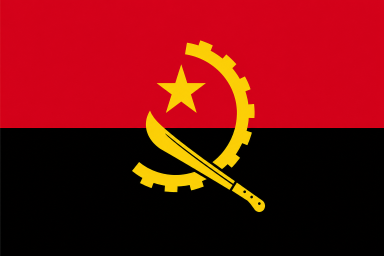
Angola (AO)
Population: 40.2 million
Lusophone culture blending African, Portuguese, Brazilian influences
Music: Kizomba, Semba
Cuisine: funge, calulu
Landmarks: Miradouro da Lua, Benguela beaches
Global figures: Agostinho Neto, Leila Lopes
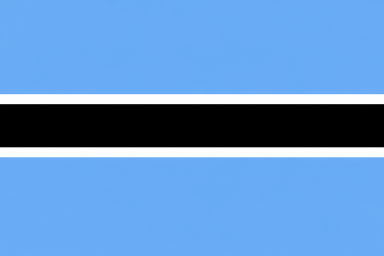
Botswana (BW)
Population: 2.56 million
Known for stability, conservation leadership, and the Okavango Delta
Cultural heritage: Setswana traditions, kgotla system, basket weaving
Indigenous communities: San/Basarwa, Tsodilo Hills rock art
Cuisine: seswaa, bogobe, morogo, vetkoek/amagwinya
Global figures: Sir Seretse Khama, Mpule Kwelagobe, Letsile Tebogo, Bessie Head.
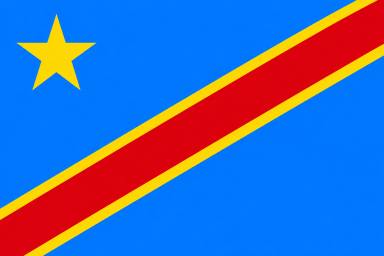
Democratic Republic of Congo (CD)
Population:116.5 M
- Cultural powerhouse: Congolese rumba, soukous, ndombolo
- Cuisine: fufu, saka‑saka, grilled fish
- Landmarks: Virunga National Park
- Global figures: Papa Wemba, Fally Ipupa, Dikembe Mutombo, Victor Wembanyama
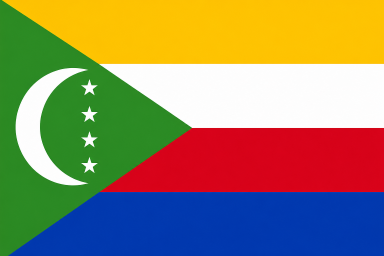
Comoros (KM)
Population: 899 K
Cultural Powerhouse: Swahili‑Arab‑African blend; strong poetry, music, and wedding traditions
Major Cities: Moroni, Mutsamudu, Fomboni
Cuisine: Langouste, pilao, cassava leaves, ylang‑ylang infused dishes
Landmarks: Mount Karthala, Old Friday Mosque, Ndzuani’s historic medina
Famous Figures: Ahmed Abdallah, Nawal, El Fardou Ben Nabouhane
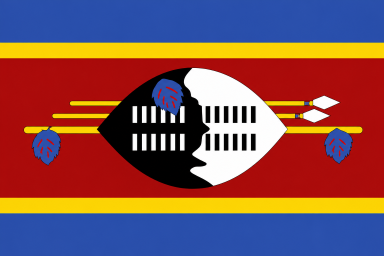
eSwatini (SZ)
Population: 1.25 M
Formerly Swaziland
Cultural festivals: Umhlanga, Incwala
Strong monarchy and traditions
Cuisine: emahewu, sishwala
Landmarks: Mlilwane Wildlife Sanctuary
Global figures: King Mswati III, Sibusiso Mamba
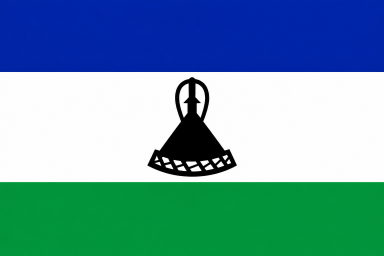
Lesotho (LW)
Population: 2.5M
Mountain kingdom with high‑altitude culture
Heritage: Basotho blankets, pony culture
Cuisine: papa, moroho, mutton dishes
Landmarks: Maletsunyane Falls
Global figures: Nkhensani Mkhonza, Mosito Lehata
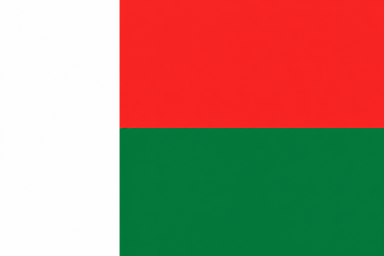
Madagascar (MG)
Population: 33.5M
Cultural Powerhouse: Malagasy traditions rooted in Austronesian and African ancestry; strong oral storytelling and music
Major Cities: Antananarivo, Toamasina, Mahajanga
Cuisine: Romazava, ravitoto, vary amin’anana, zebu dishes
Landmarks: Avenue of the Baobabs, Tsingy de Bemaraha (UNESCO), Ranomafana
Global Figures: Rossy, Rijasolo, Hery Rajaonarimampianina
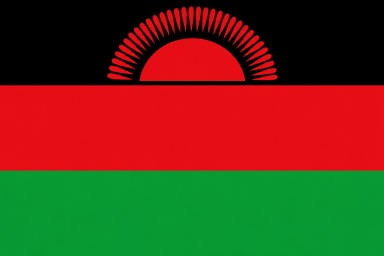
Malawi (MW)
Population: 22.4 M
Known as the “Warm Heart of Africa”
Lake Malawi: chambo fish, aquatic heritage
Cultural traditions: Gule Wamkulu dance
Cuisine: nsima, chambo, beans and greens
Global figures: William Kamkwamba, Joyce Banda
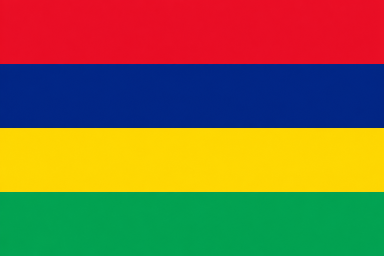
Mauritius (MU)
Population: 1.2 M
Cultural Powerhouse: Indian, Creole, Chinese, and Franco‑Mauritian heritage; strong literary and musical traditions
Major Cities: Port Louis, Curepipe, Quatre Bornes
Cuisine: Dholl puri, rougaille, biryani, gateaux piments
Landmarks: Aapravasi Ghat (UNESCO), Le Morne Brabant, Trou aux Cerfs
Global Figures: Seewoosagur Ramgoolam, Kaya, Ananda Devi
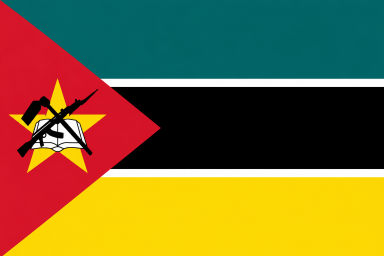
Mozambique (MZ)
Population: 33.6 M
Indian Ocean cuisine: prawns, peri‑peri dishes, coconut stews
Cultural blend: African, Swahili, Arab, Portuguese
Music: Marrabenta, Tufo
Landmarks: Bazaruto & Quirimbas archipelagos
Global figures: Maria Mutola
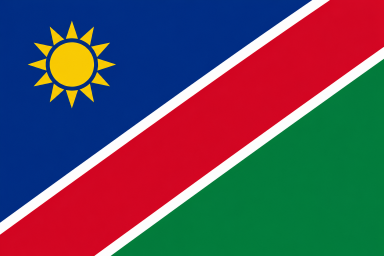
Namibia (NA)
Population: 2.9 M
Iconic landscapes: Namib Desert, Skeleton Coast
Atlantic seafood: oysters, hake, rock lobster
Cultural diversity: Herero, Himba, Nama, Damara
Cuisine: kapana, potjiekos
Global figures: Michelle McLean, Frankie Fredericks
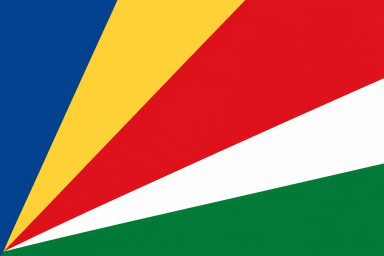
Seychelles (SC)
Population: 135 K
Cultural Powerhouse: Creole identity blending African, French, Malagasy, and Indian influences
Major Cities: Victoria (capital), Anse Royale
Cuisine: Grilled fish, coconut curries, ladob, breadfruit dishes
Landmarks: Morne Seychellois, Vallée de Mai (UNESCO), Aride Island
Global Figures: Danny Faure, Jean-Marc Volcy, Lorna Dillon
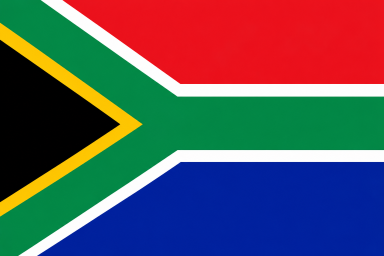
South Africa (ZA)
Population: 65.5 M | US Diaspora: 83,840 (2025 US Census)
- Cultural powerhouse: Amapiano, Gqom, Ubuntu philosophy
- Major cities: Johannesburg, Cape Town, Durban
- Cuisine: biltong, vetkoek, Cape Malay dishes, seafood
- Landmarks: Table Mountain, Robben Island, Cradle of Humankind
- Global figures: Nelson Mandela, Trevor Noah, Caster Semenya, Miriam Makeba, Charlize Theron
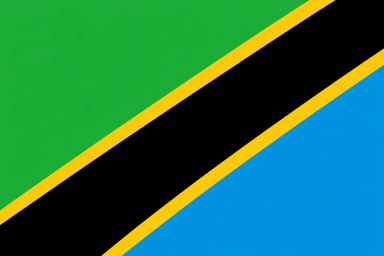
Tanzania (TZ)
Population: 72.6 million
Swahili culture and Zanzibar heritage
Cuisine: biryani, pilau, coconut‑based seafood
Landmarks: Serengeti, Kilimanjaro
Global figures: Julius Nyerere, Diamond Platnumz
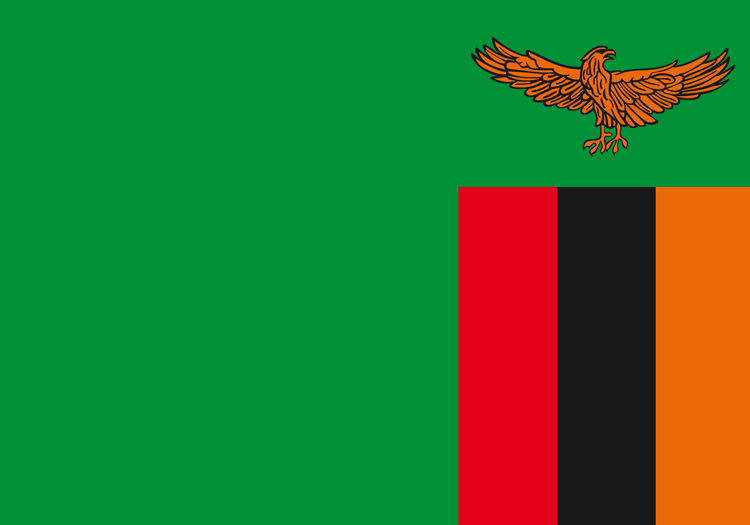
Zambia (ZM)
Population: 21.3 M)
Shared cultural traditions with Zimbabwe (nsima/sadza, music, language)
Natural wonders: Victoria Falls, Lake Kariba
Strong mining and Copperbelt heritage
Cuisine: nshima, chikanda
Global figures: Kenneth Kaunda, Esther Phiri, Thandiwe Newton
Zimbabwe (ZW)
Population:
Ancient heritage: Great Zimbabwe, Mutapa Kingdom
Arts: Shona sculpture, mbira music
Natural wonders: Victoria Falls, Eastern Highlands
Cuisine: sadza, muriwo, maputi
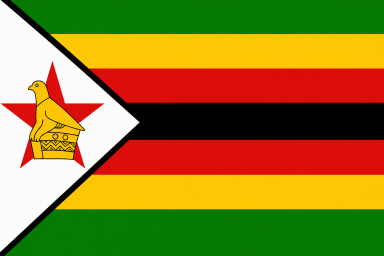
Global figures: Oliver Mtukudzi, Tsitsi Dangarembga, Danai Gurira, Steve McCall